
The repeating patient: how a well-managed clinical history saves you 10 minutes per session
· r3Physio Team
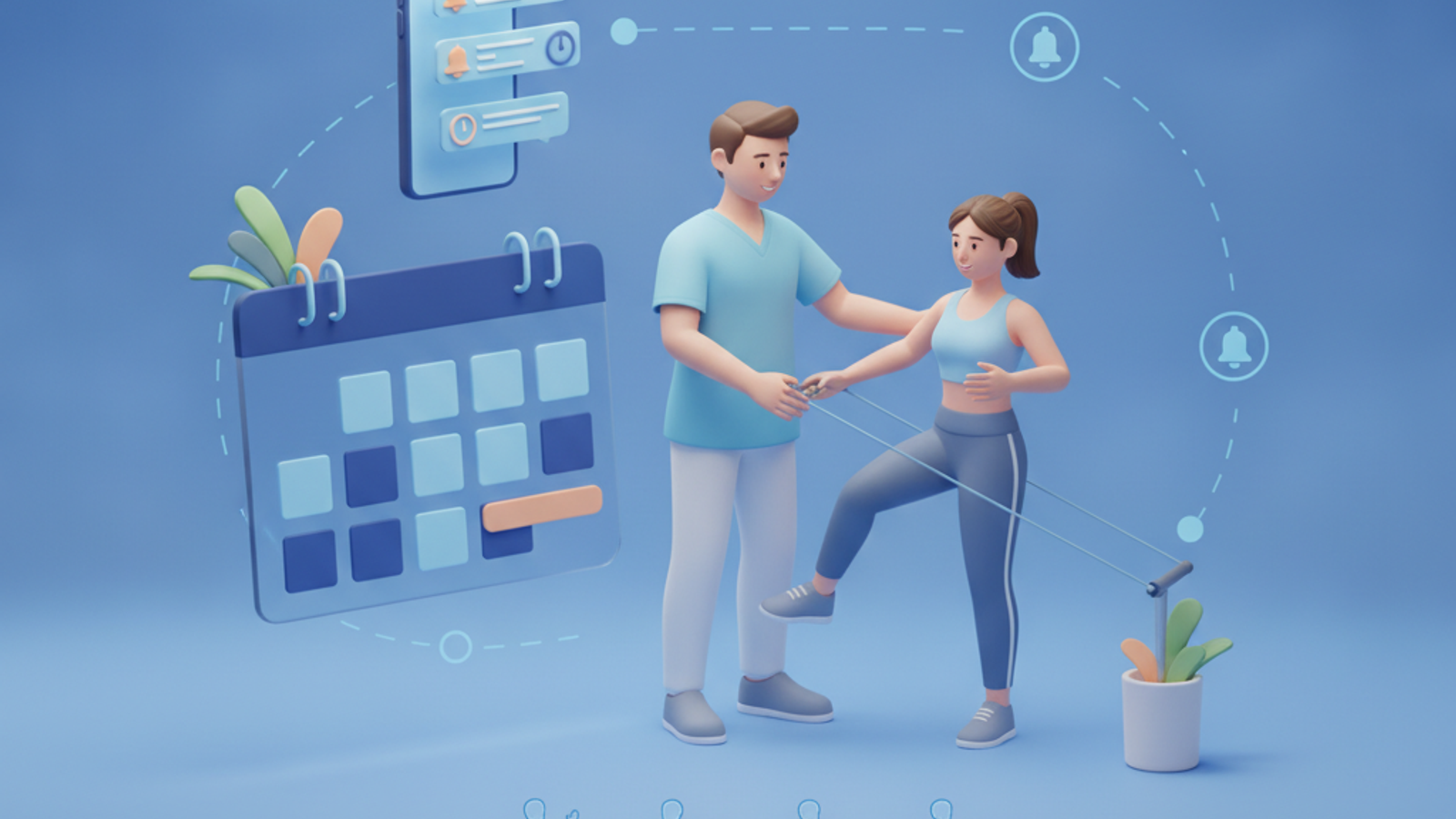
Your patients don’t come to you once and then disappear. On average, a physiotherapy patient returns 4-6 times for follow-ups, adjustments, or new issues. Yet, in many clinics, each of those visits starts with the same time-consuming ritual: "So, what brings you in today?" "How did the last session go?" "Let me check your notes...".
That’s 10 minutes per session that could be spent on actual treatment, not on gathering information you already have. For a clinic seeing 20 returning patients a week, that’s 33 hours a month of reworked time.
The math behind the minutes
Let’s break down where those 10 minutes go:
- 2 minutes asking for the same medical history you already recorded
- 3 minutes flipping through notes or asking the patient to repeat their progress
- 2 minutes updating the chart with information you should already have
- 3 minutes explaining the same treatment plan again
Multiply that by the average 20-30 returning patients per week, and you’re looking at 3-5 hours weekly just to get back to where you were after the last session.
Why the classic approach fails
Most clinics rely on a mix of paper notes, scattered digital files, or worse—relying on the patient’s memory. Here’s why that doesn’t work:
- Human memory is unreliable. Even the most attentive patient won’t remember every detail from their last session.
- Paper notes get lost or overlooked. Did you file that follow-up sheet in the right place? Did the last therapist add their notes?
- Scattered files mean scattered information. If your patient history is split between email, paper, and a shared drive, you’re wasting time just finding it.
The result? You’re not just wasting time—you’re risking miscommunication, missed details, and a patient who feels like they’re starting from scratch every visit.
How to make every minute count
1. Centralize the clinical history
Every note, every treatment plan, every follow-up should live in one place. No more digging through folders or asking the patient to repeat themselves. A centralized system means you open the patient’s file and everything is there—medical history, previous treatments, progress notes, and exercise plans.
2. Standardize the follow-up process
Create a quick-reference template for returning patients. Instead of starting from scratch, use a checklist:
- Last session’s treatment plan
- Patient-reported progress or setbacks
- Any new symptoms or concerns
- Adherence to prescribed exercises
This keeps the conversation focused and ensures you’re not missing anything.
3. Automate the prep work
Why spend time manually updating charts when the patient can do it? A patient portal where they can log symptoms, pain levels, and exercise adherence before their session means you walk into the room with all the data you need, not a blank page.
4. Use reminders and triggers
Set up automated reminders for follow-ups based on the patient’s treatment plan. For example, if a patient is due for a re-evaluation in 4 weeks, the system should flag it and prompt you to check in. This ensures nothing slips through the cracks and you’re always ahead of the game.
5. Train your team on consistency
If multiple therapists are seeing the same patient, make sure everyone is updating the same notes. A quick 2-minute handoff note can save 10 minutes of backtracking later.
The bottom line
A well-managed clinical history isn’t just about efficiency—it’s about better care. When you spend less time catching up and more time treating, your patients get consistent, personalized care, and you get to focus on what you do best: helping them recover.
If you want to see how this works in practice, check out the demo and see how a centralized clinical history system can streamline your workflow. And if you’re ready to save those 10 minutes per session, start your 30-day free trial today, no credit card required.
The patient who repeats is your best opportunity to build trust and improve outcomes. Make sure your system is working as hard as you are.